
-
 by
Nandini Sharma
by
Nandini Sharma - February 4, 2026
- 0 Comments

Table of Contents
The Power of Simplicity in Yoga
If you have ever felt like you didn’t “fit” the image of modern yoga, you are not alone. Many people step onto the mat only to encounter a showroom culture, one that prioritizes athletic performance and perfect aesthetics over actual well-being. This emphasis on advanced postures often turns a healing practice into an intimidating workout to be conquered, rather than a place to rest.
A Different Path to Presence
At Mindfullyoga, we believe there is a more compassionate way to move. Instead of performative pressure, we invite you into a sanctuary. While complex poses can build external strength, foundational and accessible movements are often far more effective for calming the body and restoring balance.
By stripping away the noise, we focus on activating the parasympathetic nervous system, your biological rest and restore mode. This is the switch that gently downregulates stress and brings the mind back into emotional equilibrium.
Rooted in Tradition
This philosophy is deeply connected to my roots in Jaipur, where I learned that yoga did not begin as exercise; it began as awareness. My intention is to return the practice to its true home by honoring Ahimsa—non-harming. In this guide, the basics of yoga are offered as a path to self-trust, not a showroom display.
Safety First
Your body is the highest authority. This guide is for educational purposes only and is not a substitute for medical advice. If you are managing a chronic condition, recovering from an injury, or are pregnant, please consult a qualified healthcare professional before beginning. Move slowly, listen inward, and stop before pain arises.
The Science of Simple Movement
Understanding the why behind your practice bridges the gap between mere exercise and true medicine. At Mindfullyoga, we prioritize the biological impact of foundational shapes over their aesthetic appeal. When you strip away the pressure of performance, you allow the body to enter a state of systemic repair and regulation.
The Vagus Nerve & Cortisol Regulation
From a physiological perspective, accessible movement offers a unique biological doorway to health. Research indicates that sequences of simple, beginner-friendly yoga poses stimulate the Vagus Nerve—the longest nerve of the autonomic nervous system and a primary driver of the “rest and digest” response.
By engaging in conscious, gentle movement for as little as 10 to 20 minutes a day, you signal the brain to shift out of chronic stress activation. This isn’t just relaxation; it is a deliberate, physiological reset of the stress response—moving the body out of the “fight or flight” state that often characterizes burnout.
Synovial Lubrication: Movement as Joint Medicine
Stiffness is often the result of inactivity, particularly in the morning. Joints rely on movement to circulate synovial fluid, which acts as a natural lubricant.
Unlike high-impact exercise, which can sometimes tax the joints, easy yoga poses encourage this fluid to nourish cartilage without triggering inflammation. Regular, gentle stretching has been associated with:
- Improved joint longevity: Consistent lubrication reduces friction that contributes to long-term wear.
- Bone density support: Weight-bearing foundational poses (such as Tadasana) provide the mechanical stimulus needed for skeletal health.
- Increased mobility: Short, consistent routines are biologically more effective than one intense weekly session for maintaining a range of motion.
Is 10 Minutes Enough?
A common misconception is that yoga must be an hour-long ordeal to be effective. Emerging research in neurobiology suggests that consistency often outpaces intensity. Practicing for just 10–20 minutes daily allows for regular stimulation of the parasympathetic nervous system, making it more supportive of long-term mental health and physical resilience than sporadic, high-intensity workouts.
The Mindfullyoga Sequence: 10 Simple Yoga Poses for Beginners
This curated sequence returns the practice to its true purpose: your lived experience. By focusing on these simple yoga poses with pictures, you build a foundation of self-trust rather than performance.
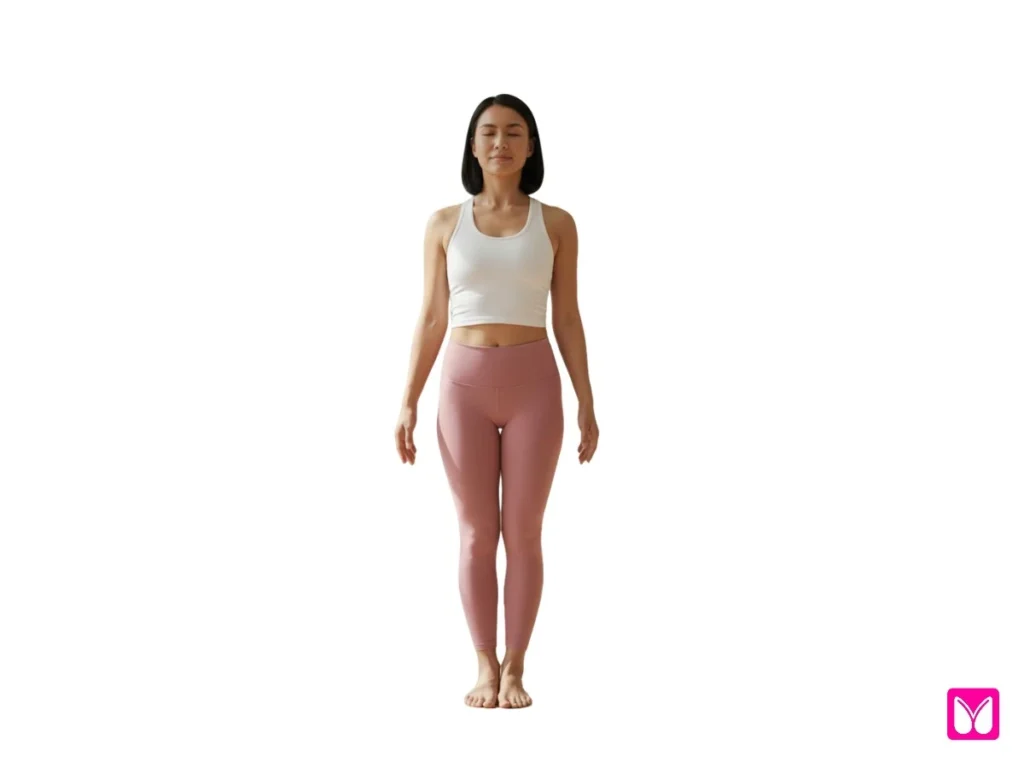
- Mountain Pose (Tadasana)
- Primary Benefit: Neutralizes the spine and establishes “proprioception”—your brain’s ability to sense your body’s position in space.
- Mindfullyoga Cue: “Stand as if you are being gently lifted, not held.”
- Beginner Permission: Step your feet wider than hip-width if balance feels unstable. Stability is more important than “perfect” alignment.
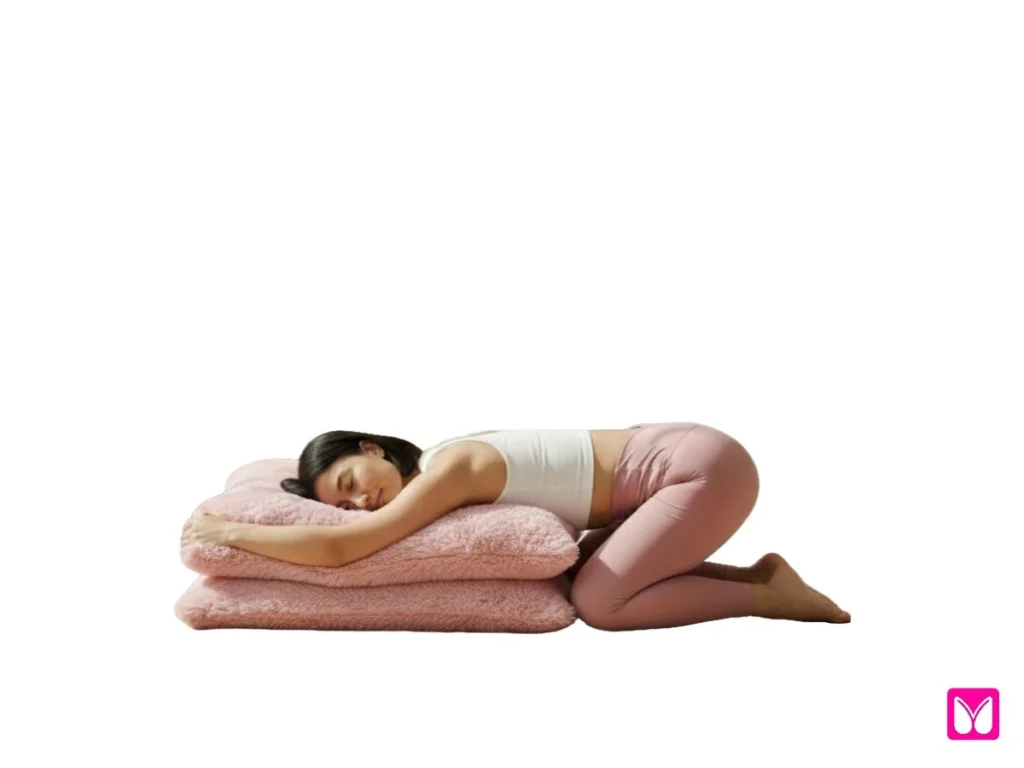
- Child’s Pose (Balasana)
- Primary Benefit: Acts as a physical “reset button” for the nervous system by gently stretching the lower back.
- Mindfullyoga Cue: “Sink into the earth; let the floor carry your weight completely.”
- Beginner Permission: Stack your fists or use a firm pillow under your forehead if it doesn’t reach the mat.
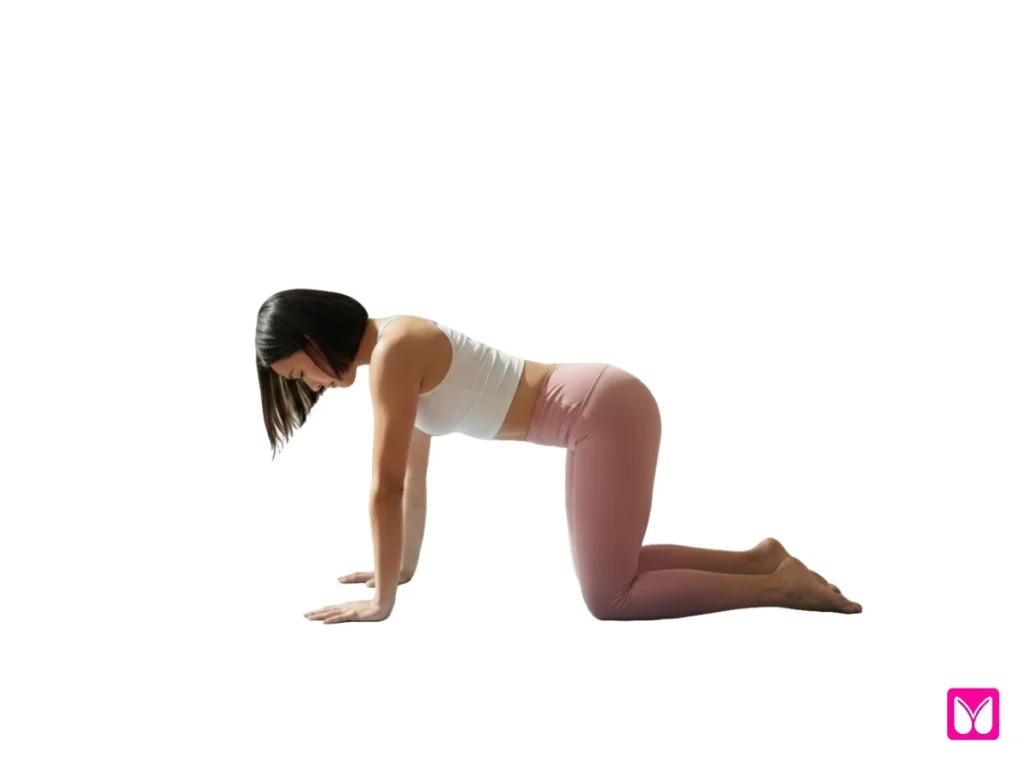
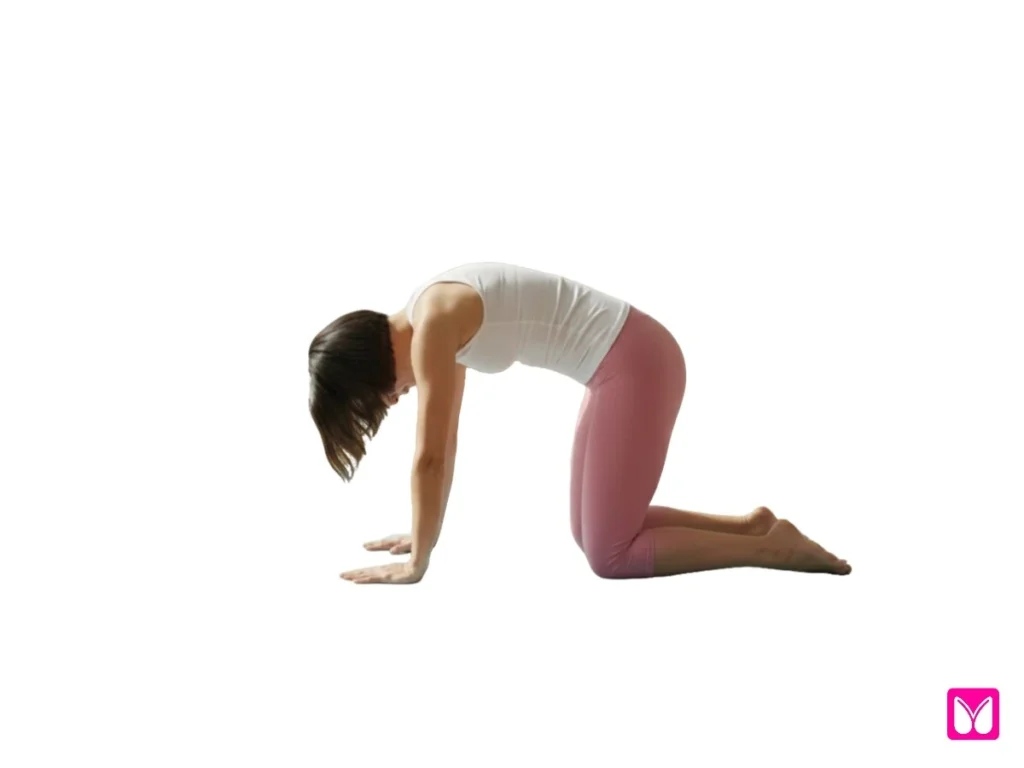
- Cat-Cow Stretch
- Primary Benefit: Hydrates the spinal discs and creates a rhythmic bridge between your breath and movement.
- Mindfullyoga Cue: “Move like a slow wave; let the breath initiate the ripple.”
- Beginner Permission: If kneeling is uncomfortable, this can be practiced seated in a chair by moving your chest forward and back.
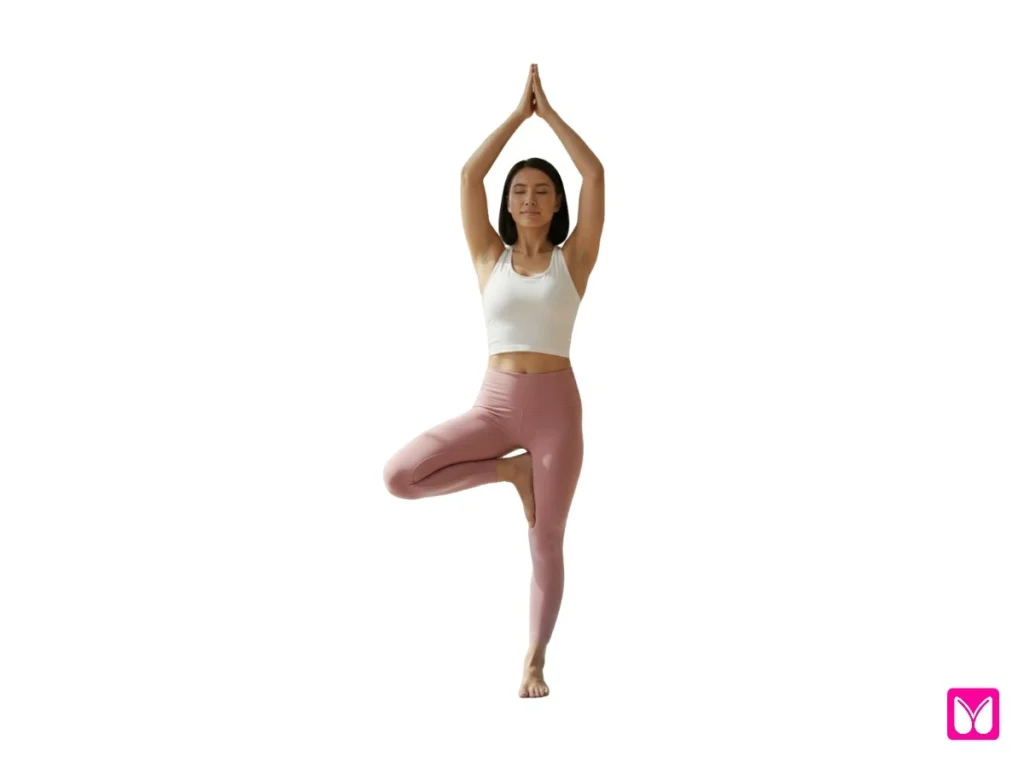
- Tree Pose (Vrksasana)
- Primary Benefit: Strengthens stabilizing muscles in the ankles and calves while improving mental focus.
- Mindfullyoga Cue: “Think of your standing leg as a root, steady and deep.”
- Beginner Permission: Keep your toes on the floor like a “kickstand” for balance. Avoid placing your foot directly on the knee joint.
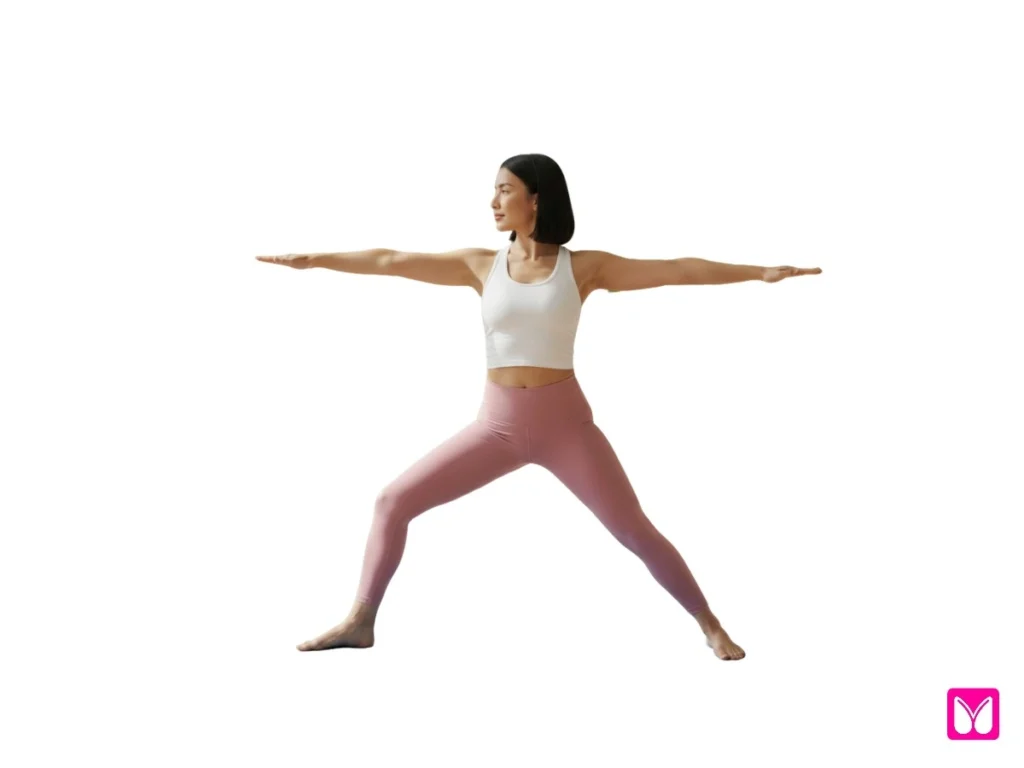
- Warrior II (Virabhadrasana II)
- Primary Benefit: Builds lower-body stamina and opens the hips without high-impact stress.
- Mindfullyoga Cue: “Feel the strength in your legs, but keep your shoulders as soft as a whisper.”
- Beginner Permission: Shorten your stance to maintain comfort in your hips and knees.
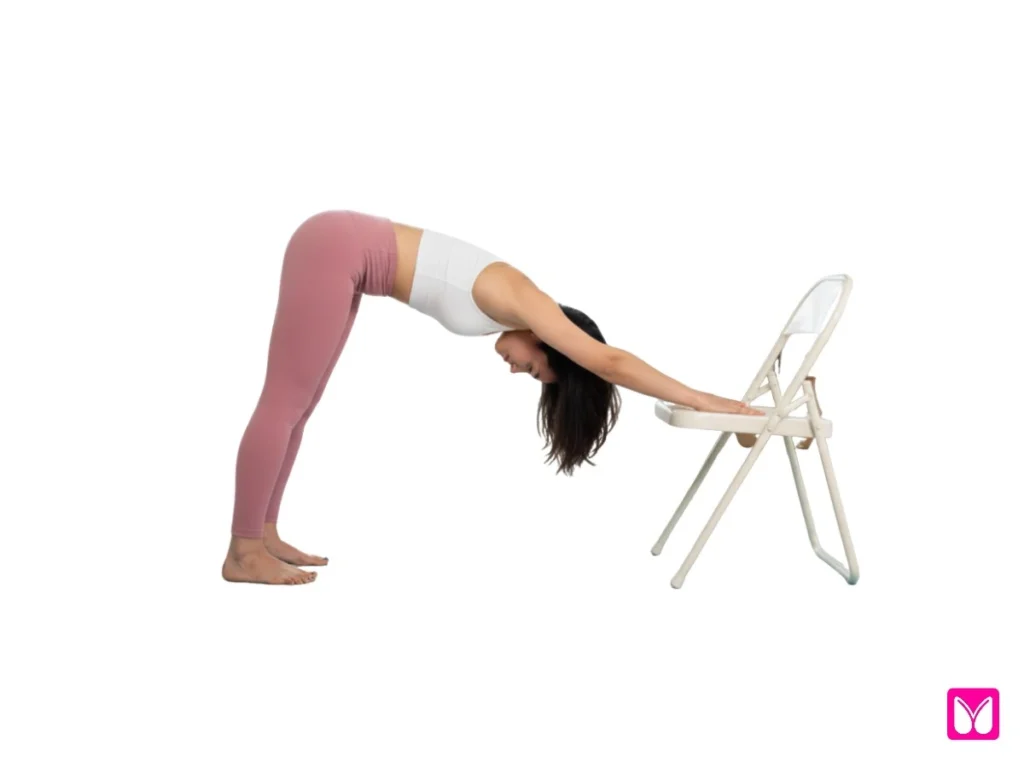
- Downward Dog (Simplified)
- Primary Benefit: Decompresses the spine and stretches the entire back body.
- Mindfullyoga Cue: “Push the floor away to find length; let your head hang heavy and free.”
- Beginner Permission: Keep your knees generously bent. Touching your heels to the floor is not the goal—a long, happy spine is.
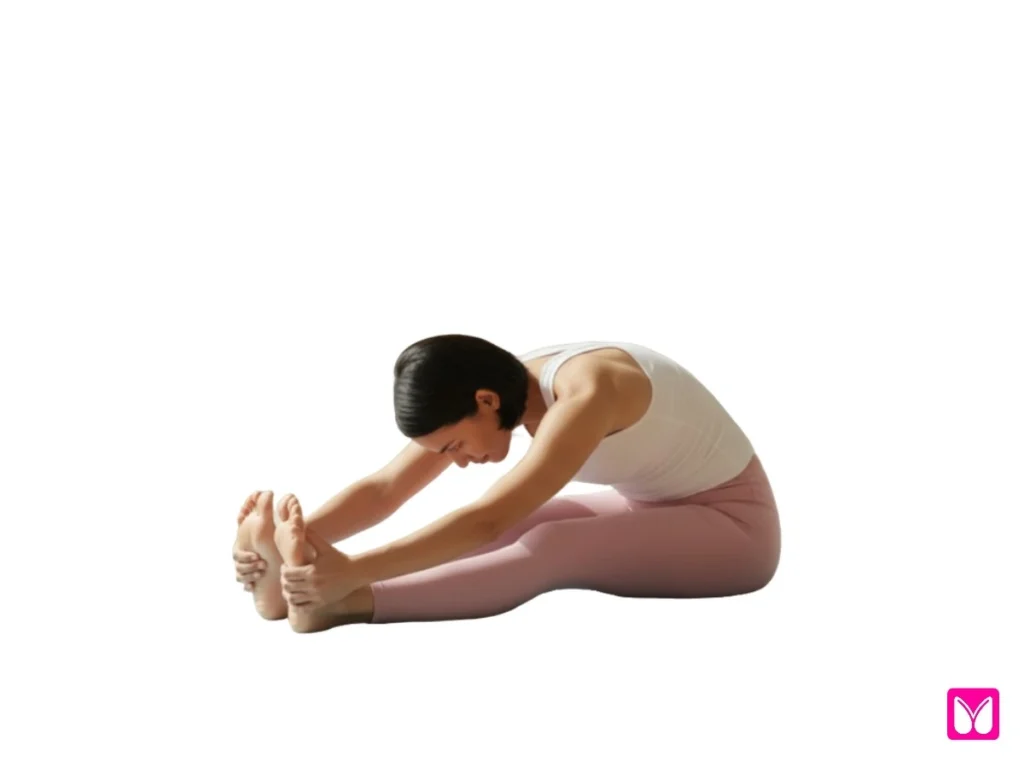
- Seated Forward Fold (Paschimottanasana)
- Primary Benefit: Targets the hamstrings and encourages “Pratyahara” (withdrawal of senses) to calm the mind.
- Mindfullyoga Cue: “Fold like a closing book; it’s about the release, not the distance.”
- Beginner Permission: Sit on a folded blanket or pillow to tilt your pelvis forward.
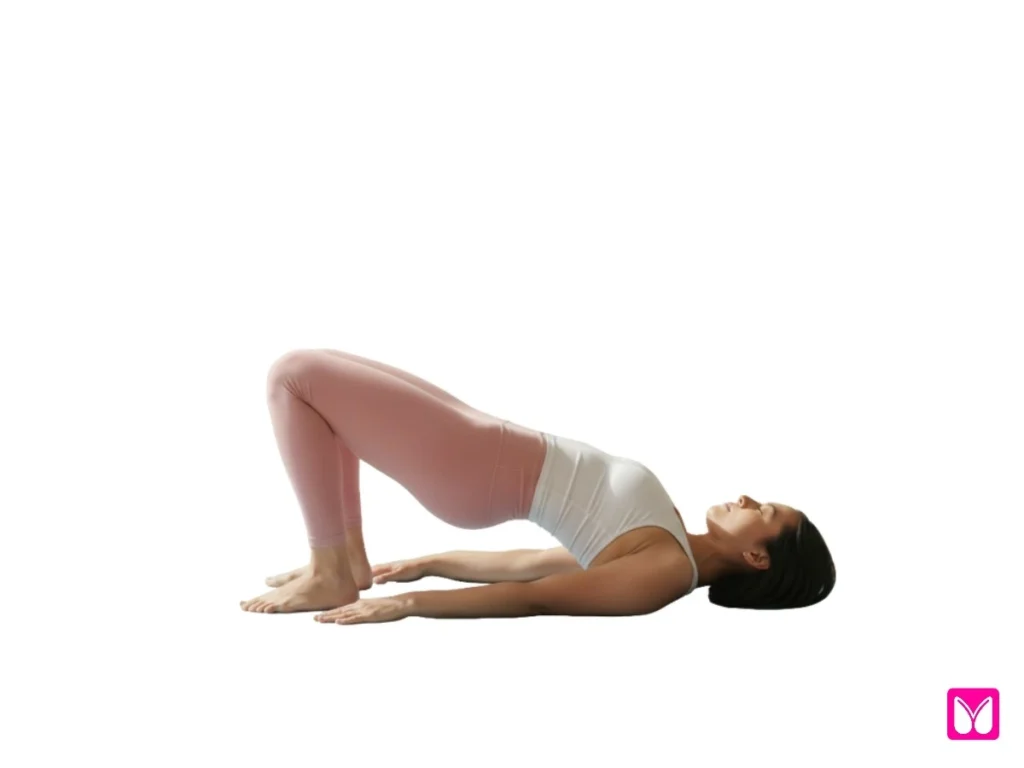
- Bridge Pose (Setu Bandhasana)
- Primary Benefit: Reverses the “slouch” of daily life by opening the chest and stimulating the front of the neck and chest region.
- Mindfullyoga Cue: “Lift from your heart; let your breath fill the space in your chest.”
- Beginner Permission: Only lift your hips as high as feels comfortable. This is a gentle opening, not a competition.
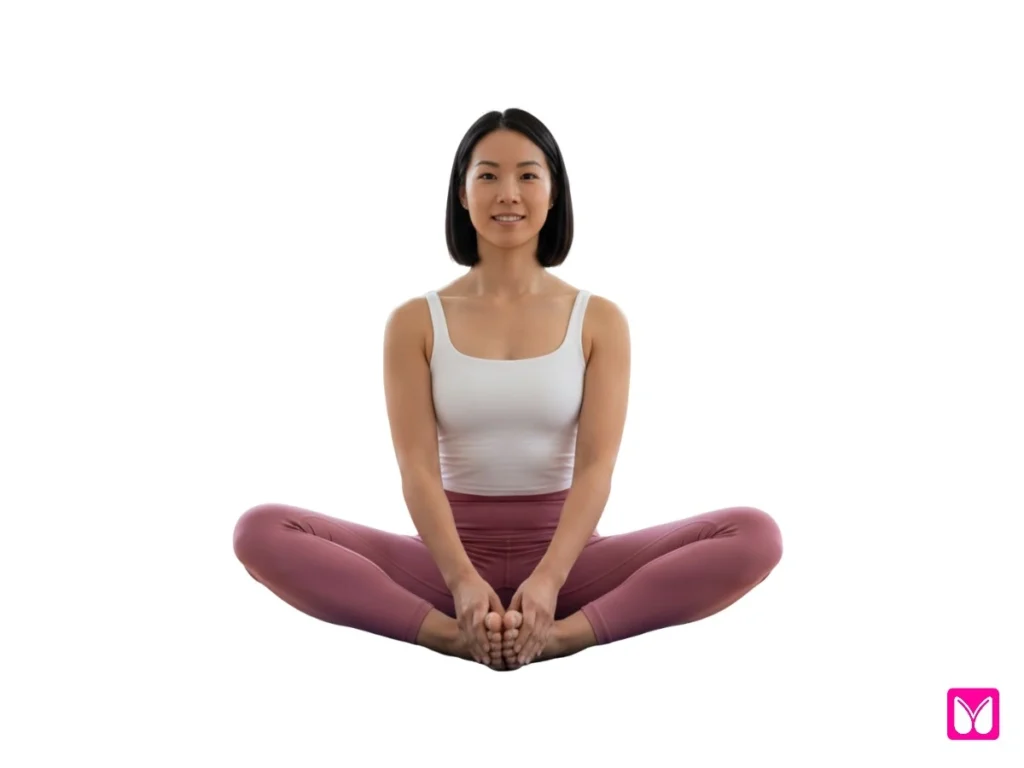
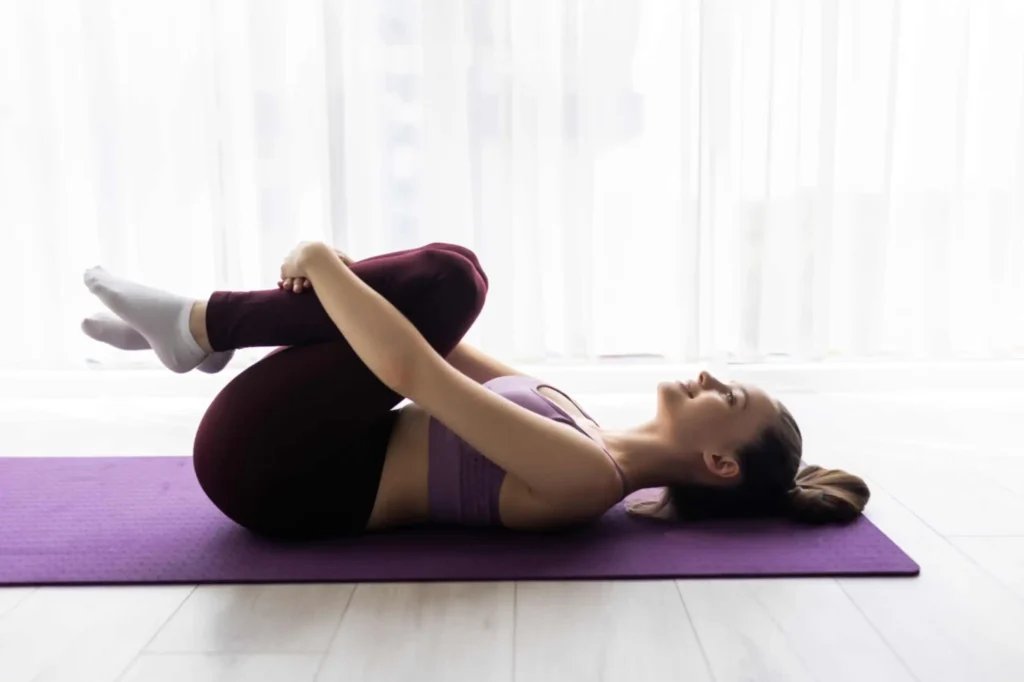
- Butterfly Pose (Baddha Konasana)
- Primary Benefit: Gently releases the inner thighs and groins, where we often hold unconscious emotional tension.
- Mindfullyoga Cue: “Invite your hips to soften; imagine them growing heavier with every exhale.”
- Beginner Permission: Place cushions under each thigh for support to prevent strain.
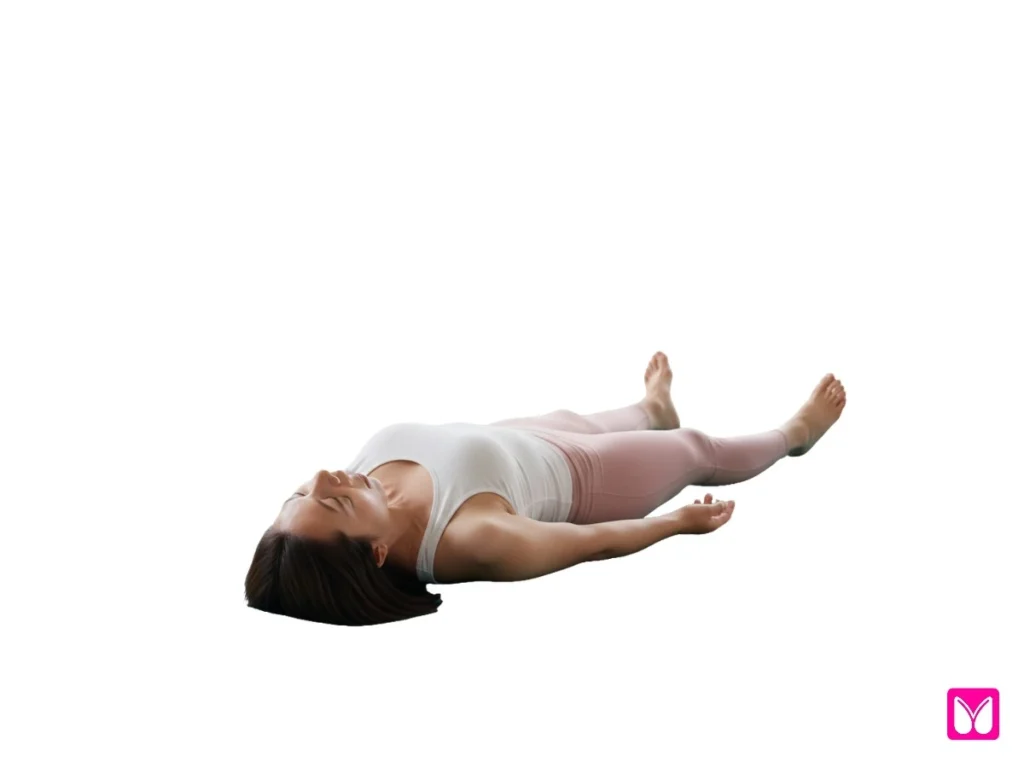
- Corpse Pose (Savasana)
- Primary Benefit: The most vital pose for integration. It allows the nervous system to shift fully into “Rest and Restore” mode.
- Mindfullyoga Cue: “There is nothing left to do; simply be the breath.”
- Beginner Permission: If lying flat is uncomfortable for your lower back, keep your knees bent and feet flat on the floor.
Advanced Accessibility: Simple Seated Yoga Poses
In the Mindfullyoga sanctuary, simple is not just about the difficulty of a movement; it is about the wisdom to meet your body exactly where it is, today. For many, the floor can feel inaccessible, creating physical strain, emotional resistance, or quiet anxiety before the practice even begins.
Choosing simple seated yoga poses is not a compromise. It is a deliberate and sophisticated act of body sovereignty.
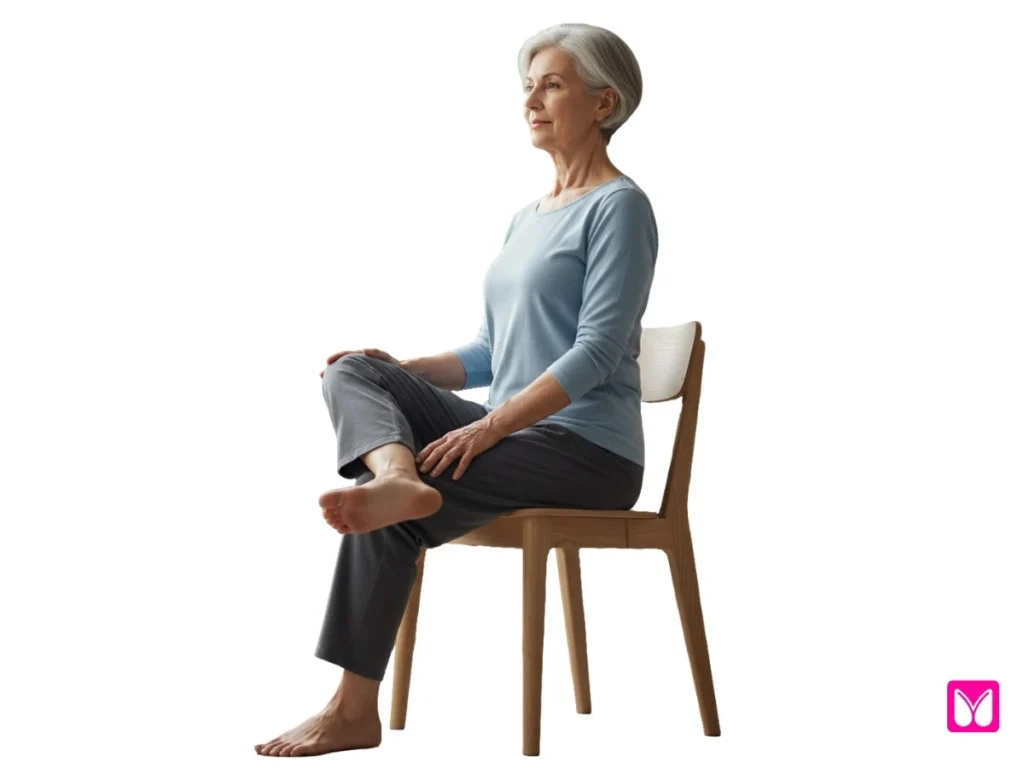
The Chair as a Sanctuary
Utilizing a chair allows you to experience the full biological benefits of yoga without the distraction of difficult transitions or the tax of weight-bearing on sensitive joints. By choosing a seated alternative, the practice remains a source of healing rather than another demand on the body.
Seated Stability
You can access the grounding awareness of Tadasana or the rhythmic spinal flow of Cat–Cow while remaining supported by a secure, stable base.
Joint Longevity
Seated movement gently circulates synovial fluid, helping to reduce stiffness while protecting the knees and hips from unnecessary load.
Accessible Consistency
When movement feels safe, it becomes easier to maintain the daily 10–20 minute rhythm that the nervous system relies on for long-term regulation.
Deepen Your Practice
If standing or floor-based transitions feel difficult today, I invite you to explore my free 28-day Chair Yoga for Seniors guide. It is designed to offer the same foundations of mobility, awareness, and calm in a completely joint-friendly format. You may also download our chair yoga exercises printable PDF to keep these supportive movements within reach whenever you need a moment of sanctuary.
Download Your Free Simple Yoga Poses PDF and Chart
To support a sustainable and mindful practice, I’ve created a portable version of this guide. Sometimes, the most powerful step is to move away from the screen and return to your own embodied experience.
Download your printable Simple Yoga Poses chart below and keep it handy for everyday use.
Fill out the form below and get your FREE PDF straight to your inbox:
Take Your Practice Offline
This Simple Yoga Poses for Beginners PDF is designed to be a quiet companion for your mat. Free from digital distraction, it allows you to focus fully on the rhythm of your breath, the integrity of your alignment, and the signals of your body.
Inside the guide, you’ll find:
The Essentials
A thoughtfully curated sequence of the 12 basic yoga poses for beginners, presented with clear pictures for easy reference.
The “Why”
A simple, readable breakdown of yoga asanas and their benefits, helping you understand how each pose supports mobility, calm, and nervous system balance.
Mindfullyoga Cues
Gentle reminders woven throughout the guide to help you practice from a place of Ahimsa, non-harming, patience, and self-trust.
By keeping this PDF within reach, you create a personal sanctuary anywhere, at home, in nature, or while traveling.
Download the free 12 basic yoga poses for beginners PDF and begin cultivating daily mobility and calm, one gentle movement at a time.
Reclaiming Your Sanctuary
Yoga was never meant to be a performance. It was meant to be a return to yourself. By choosing simple yoga poses, you are choosing depth over display and long-term health over short-term aesthetics. Whether you are practicing a 10-minute beginner routine in your living room or exploring seated movements, you are honoring your body’s unique boundaries.
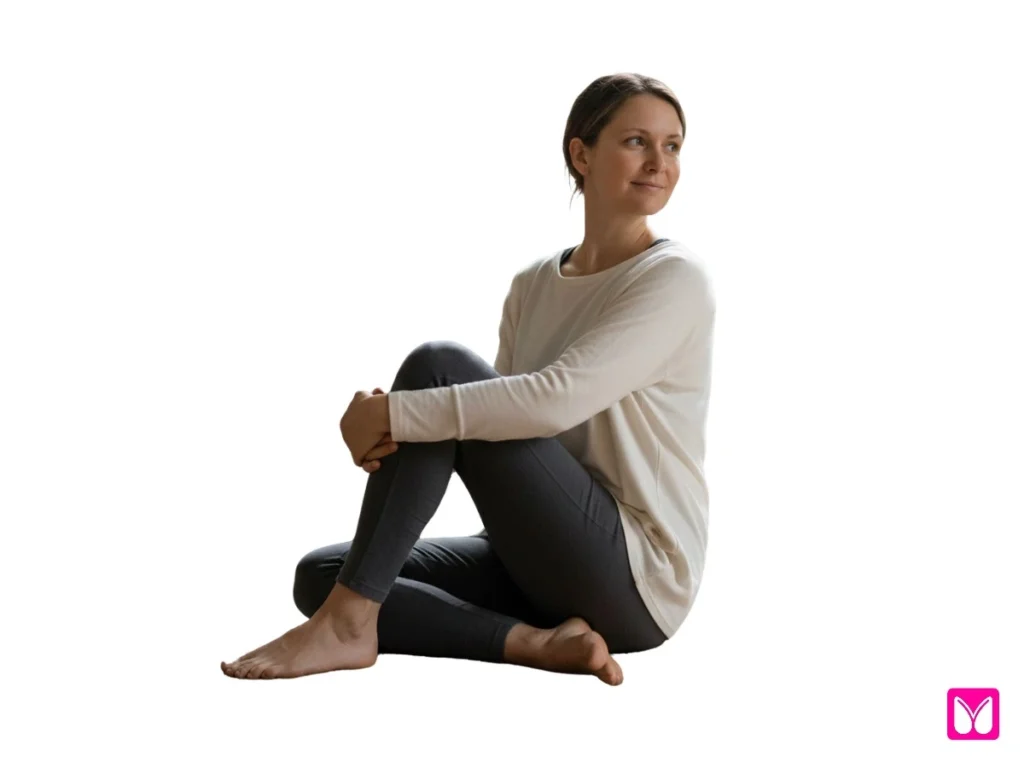
A consistent, simple practice is a living act of Ahimsa—a daily promise to treat yourself with compassion, one breath at a time.
Frequently Asked Questions
How do I start a simple yoga practice?
Starting yoga doesn’t require a studio membership or memorizing the 84 classical asanas. What it requires is consistency and intention. Begin with this simple, three-step plan:
Create a Sanctuary
Choose a quiet, comfortable space where you can remain uninterrupted for at least 10 minutes.
Focus on Breath
Before moving, sit quietly for two minutes and observe your natural inhalation and exhalation. This prepares the nervous system for movement.
Choose Three Poses
Avoid trying to learn everything at once. Select three foundational poses, such as Tadasana, Cat–Cow, and Savasana, and practice them daily for one week to establish a habit.
Can yoga help reduce belly fat?
Yoga is often associated with flexibility, but its impact on metabolism is frequently overlooked. Chronic stress elevates cortisol levels, which are biologically linked to abdominal fat storage.
By practicing simple yoga poses that shift the body into a “rest and restore” state, stress hormones are gradually regulated. This supports metabolic health, reduces emotional eating, and encourages sustainable weight balance over time.
What is the easiest yoga pose to learn?
For most beginners, the easiest poses to begin with are Tadasana (Mountain Pose) and Savasana (Corpse Pose).
Tadasana teaches neutral alignment and body awareness, forming the foundation for all other poses.
Savasana, while physically effortless, is a profound practice of stillness and mental release.
What are the four main paths of yoga?
To understand yoga fully, it helps to look beyond posture practice to its classical foundations:
- Karma Yoga – the path of selfless action and service
- Bhakti Yoga – the path of devotion and heart-centered connection
- Raja Yoga – the “Royal Path” of physical and mental discipline (including asanas)
- Jnana Yoga – the path of knowledge, inquiry, and self-study
Together, these paths remind us that yoga is a way of living, not just moving.
Is 20 minutes of yoga a day enough?
Yes. From a biological perspective, consistency is more effective than intensity.
A daily 20-minute practice of easy yoga poses allows for regular vagus nerve stimulation and consistent joint lubrication. This supports nervous system regulation far more effectively than a single long session once a week.
Can I do yoga if I’m not flexible?
Absolutely. Yoga is not about touching your toes; it is about meeting your body with awareness and respect.
Flexibility develops as a result of practice; it is not a requirement. By using simple beginner poses and supportive modifications such as chairs or blocks, anyone can experience the neurological and physical benefits of yoga.
Medical Disclaimer: The information provided in this guide is for educational and informational purposes only and is not intended as medical advice, diagnosis, or treatment. While simple yoga poses are generally considered safe, every body is unique. Please consult with your physician or a qualified healthcare professional before beginning any new exercise program, especially if you are pregnant, nursing, or managing chronic health conditions like hypertension or joint inflammation. Always listen to your body and stop immediately if you experience sharp pain or dizziness.
Also Read: 100+ Yoga Poses for 2 (With Pictures): Partner, Couple & Acro Yoga from Easy to Hard
Also Read: Is Yin Yoga a Waste of Time? The Vṛtti Nirodha Sequence for Surrender, Stillness, and Mental Clarity
Also Read: The Eight Limbs of Yoga: A Simple Guide to the Path Beyond Poses

Nandini Sharma
Nandini Sharma is the Co-Founder of Mindfullyoga and the leading philosophical voice of the Yoga Revolution, a movement focused on restoring the integrity of classical yoga.As a dedicated scholar of the original Yoga Sutras and an authority rooted in Jaipur, Rajasthan, Nandini's expertise is in Yoga Philosophy and Classical Texts, not secular fitness.Her content strategically tackles the core ethical crisis of the $125 Billion global yoga industry. Nandini uses keywords like Asteya (non-stealing) and Aparigraha (non-possessiveness) to challenge commercialization and educate readers on the full Eight Limbs of Yoga, including Pranayama and Dhyana.