

-
 by
Nandini Sharma
by
Nandini Sharma - November 25, 2025
- 0 Comments

A Wake-Up Call from Nature
Table of Contents
At a Glance: Ethiopia Volcano Eruption
• What happened:
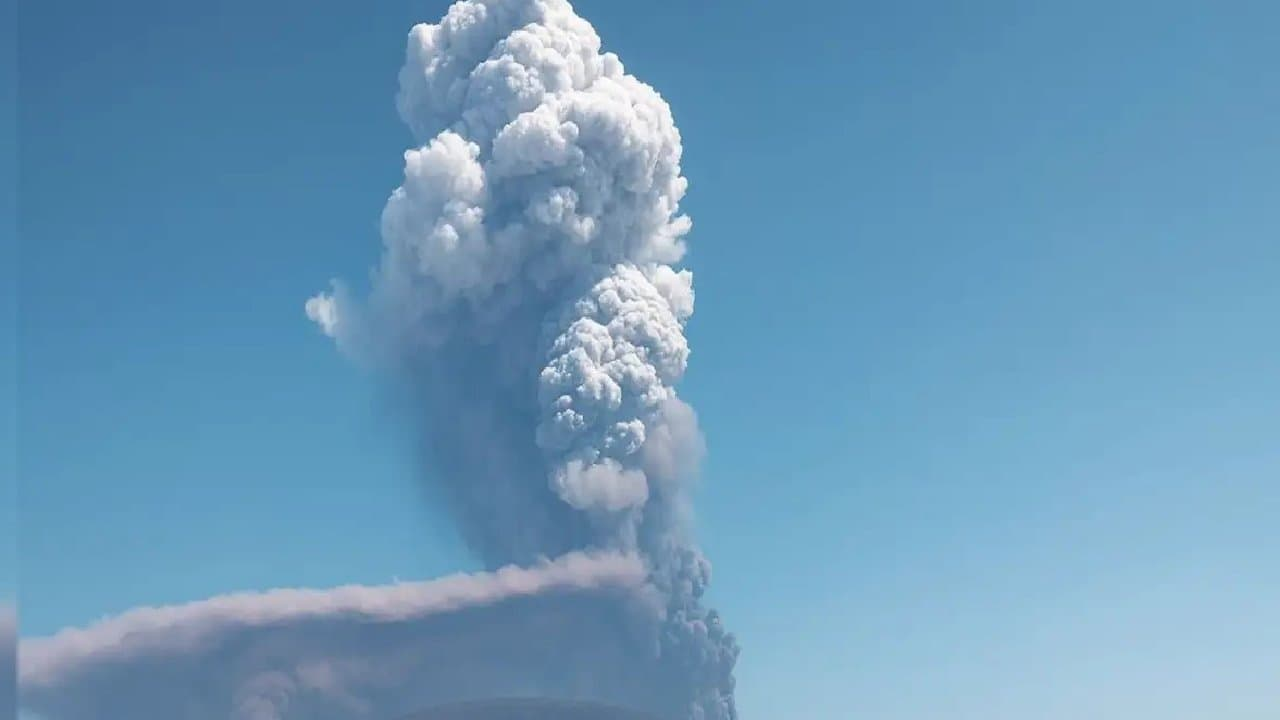
A powerful eruption occurred at Ethiopia’s Hayli Gubbi volcano on November 25.
• Why India felt it:
High-altitude ash clouds drifted across the Red Sea toward India due to strong upper-level winds.
• States under influence:
Gujarat, Rajasthan, Punjab, Haryana, Delhi–NCR.
• Flight impact:
DGCA issued an advisory; multiple flights were cancelled or rerouted to avoid ash in the upper atmosphere.
• Air quality:
The ash plume remained at high altitudes; ground-level AQI in India was not significantly affected, according to experts.
• Expected clearing:
The ash cloud moved out of Indian airspace by 7:30 pm IST on the same day.
• Nature’s reminder:
Even distant natural events show how interconnected Earth’s systems are — and how fragile balance can be.
Sometimes, nature whispers… and sometimes, it speaks so loudly that the whole world pauses to listen.
The recent Ethiopia volcano eruption is one of those moments. Even though it happened thousands of kilometres away, its massive ash clouds drifted toward India, colouring our sunsets, hazing our skies, and reminding us once again how deeply connected this planet truly is.
Events like this matter, not because they create panic, but because they show us something important:
What happens in one corner of the Earth can touch all of us.
As yogis and mindful beings, we often focus on inner balance… the breath, the body, the emotions.
But nature is no different.
The planet has its own balance… its own rhythm… and when it shifts, the ripple can be felt everywhere.
This eruption is more than a headline.
It is a reflection.
A mirror.
A message.
Because just like Earth, when our own inner balance breaks, everything around us begins to shift too.
What Happened: A Simple Explanation of the Eruption
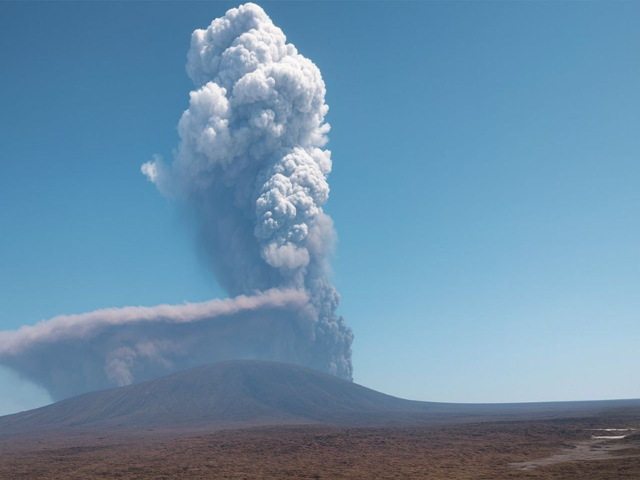
the Ethiopia volcano, Mount Fentale, erupted, sending a huge plume of ash and gases high into the atmosphere.
Volcanic eruptions are natural events, caused when pressure builds beneath the Earth’s surface and finally finds a way out.
It is the planet’s way of releasing what it can no longer hold inside.
Once the eruption began, strong upper-level winds carried the ash across the Arabian Sea.
This is why people in parts of India noticed:
- hazy skies,
- dimmer sunlight,
- and unusually colourful sunsets.
Volcanic ash is made of tiny particles of rock and minerals.
Most of it stays high in the atmosphere and doesn’t reach the ground, but it can affect the way sunlight scatters—creating dramatic visual changes in the sky.
It’s important to understand:
This event is not a danger for most of India.
But it is a reminder of how alive, powerful, and interconnected our Earth is.
Because just like the body reacts when one organ is stressed, the Earth responds too, and its reactions can be felt thousands of miles away.
In many ways, this eruption shows us something profound:
When pressure builds and balance breaks, release becomes unavoidable, whether in nature or within us.
“Volcanic ash and gas plumes from the eruption drifted towards north and western India.”
— Mint
The Yogic View: The Earth Has Doshas Too
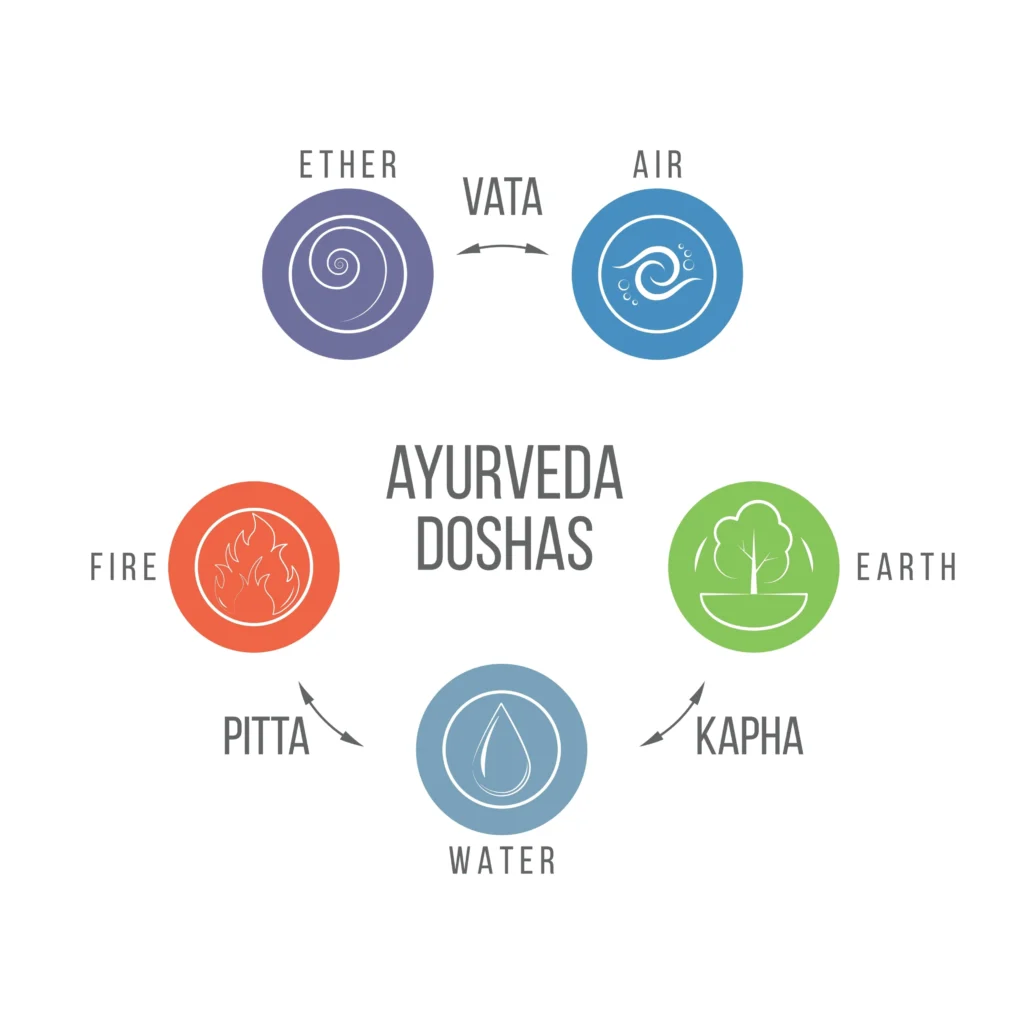
In yoga and Ayurveda, we learn that every human being is made of the five elements: earth, water, fire, air, and space.
When these elements stay in harmony, we feel healthy, grounded, and peaceful.
But when one element rises too high or becomes disturbed, imbalance begins.
The same is true for the planet.
Just like us, Earth has its own doshas, its own energies and elements that must stay in balance.
Vata (Air + Movement) Imbalance
A sudden movement of ash across continents feels very much like a Vata disturbance.
Too much Vata creates:
- restlessness
- instability
- unpredictability
- sudden shifts
Nature showed the same:
A sudden eruption, winds carrying particles across oceans, skies changing rapidly.
This is Vata energy at its highest expression.
Pitta (Fire) Imbalance
Volcanoes represent the Earth’s Agni, its fire element.
When heat and pressure build below the surface, it mirrors what happens inside us when:
- anger builds,
- stress rises,
- or emotions stay suppressed for too long.
Eventually, the fire erupts, in nature and within us.
Everything in Nature Reflects Everything in Us
Ayurveda teaches that we are not separate from the Earth.
We are made of the same elements, the same energies, the same rhythms.
When the Earth experiences imbalance, it’s not just a natural event —
It’s a mirror showing us how imbalance feels on every level of life.
And this volcano is a powerful reminder:
Just like the planet,
we must release pressure before it becomes destructive,
and we must nurture balance before it collapses.
What This Natural Event Teaches Us About Balance
When something as dramatic as a volcano erupts, it’s not just an event in the world; it becomes a lesson in awareness.
Nature is always teaching us, if we’re willing to listen.
Here are the deeper truths this eruption reflects:
a. Everything Is Connected
A volcano in Ethiopia…
Ash drifting over the Arabian Sea…
Skies changing in India.
One event, one moment of imbalance, touched multiple countries.
It reminds us of a simple but powerful truth:
Nothing exists alone. Whatever happens in one part of nature affects the whole.
Just like how one stressed thought can affect your entire day,
one change in the environment can echo across continents.
b. Balance Isn’t Permanent, It’s Maintained
The Earth is constantly adjusting itself, cooling, heating, shifting, renewing.
Balance isn’t something nature has…
It’s something nature works on every single moment.
And maybe that’s the reminder we all need:
Balance in our lives also requires regular care — in our breath, in our habits, in our mind.
c. Small Imbalances Become Big Shifts Over Time
No volcano erupts overnight.
Heat builds. Pressure rises.
The Earth holds on… and holds on… until it can’t anymore.
The same happens to us:
- Stress we ignore
- Emotions we bury
- Fatigue we deny
- Boundaries we don’t set
One day, it erupts — in anger, tears, burnout.
The eruption teaches us:
Listen early. Adjust early. Heal early.
d. Nature Always Sends Warnings Before Collapse
Before a volcano erupts, there are small tremors, tiny cracks, rising temperatures.
Before we collapse, the signs also appear:
- Sleepless nights
- Anxiety
- Irritation
- Overthinking
- Feeling disconnected
The Earth doesn’t collapse suddenly, and neither do we.
Both give signals, and both ask for attention.
This event is not just a shock
it’s a message to observe the subtle signs,
because ignoring small imbalances leads to bigger disruptions.
Climate Change: Why This Matters Right Now
A volcano erupting is a natural event.
They have happened for millions of years, long before humans existed.
But what this eruption reminds us is something deeper:
the Earth is more sensitive now than ever before.
We live in a time where:
- Temperatures are rising faster
- Weather patterns are unpredictable
- Air quality is dropping
- Storms, droughts, and floods are becoming more intense
This doesn’t mean the volcano happened “because” of climate change.
Volcanoes are natural.
But what it does show is how fragile and interconnected our atmosphere has become.
When volcanic ash reaches India in hours,
when one eruption changes sky colour across countries,
it reminds us:
The atmosphere is thinner, more vulnerable, more easily disturbed.
Climate change isn’t a sudden disaster.
It’s a slow shift in balance
the same balance yoga teaches us to protect inside our bodies.
Just like ignoring small stress leads to burnout,
ignoring environmental imbalance leads to global consequences.
This event is a wake-up call, not through fear but through awareness:
We are part of nature, and nature reflects our actions back to us.
Whether we practice yoga, pranayama, mindful living, or simply try to be better humans
our choices ripple outward.
Small actions matter:
- using less plastic
- choosing cleaner transport
- consuming mindfully
- conserving energy
- staying aware
Because climate change isn’t just a “global” issue.
It is a personal one.
It affects our breath, our health, our seasons, our food, our inner peace.
And every mindful person has the power to shift the direction.
Mindfulness Lesson: Observing Without Panic
When dramatic events happen in nature, our first reaction is usually fear.
Scrolling the news…
Watching alarming headlines…
Waiting for the next update.
But yoga teaches us a different approach
to observe without panic, to witness without losing our inner peace.
Mindfulness is not about ignoring the world.
It is about staying awake and staying calm at the same time.
Here’s what this volcanic event invites us to practice:
1. Pratyahara, Turning Inward
Instead of being pulled into chaos, we gently withdraw from overstimulation.
We pause.
We breathe.
Pratyahara reminds us that not everything requires a reaction.
Sometimes awareness itself is enough.
2. Dhyana, Pure Awareness
The sky changes.
The news spreads.
People worry.
But through Dhyana, mindful observation
we learn to simply see without adding fear or assumptions.
Just as we watch our breath rise and fall,
we can watch nature’s events with steady awareness.
3. Santosha, Contentment & Acceptance
Santosha teaches us to accept what we cannot control.
We cannot stop eruptions, winds, or ash clouds.
But we can choose how we respond internally.
Acceptance doesn’t mean passiveness.
It means inner strength
the ability to stay balanced even when the outer world is shifting.
4. The Practice of Presence
This moment, this ash in the sky, this shift in nature
is a reminder to be present.
Not in fear.
Not in stress.
But in awareness.
Presence helps us see that the world is alive,
not predictable,
not fixed
just like our breath.
When we observe nature mindfully,
we learn to trust its cycles
and reconnect with our own.
Yogic Practices to Stay Grounded During Earth’s Imbalances
When the world around us feels unstable — whether it’s natural events, climate changes, or simply overwhelming news, our inner world can start to shake too.
Yoga gives us timeless tools to stay rooted, calm, and balanced even when everything else feels uncertain.
Here are simple grounding practices anyone can do:
1. Deep Grounding Breath (Vata-Balancing Pranayama)
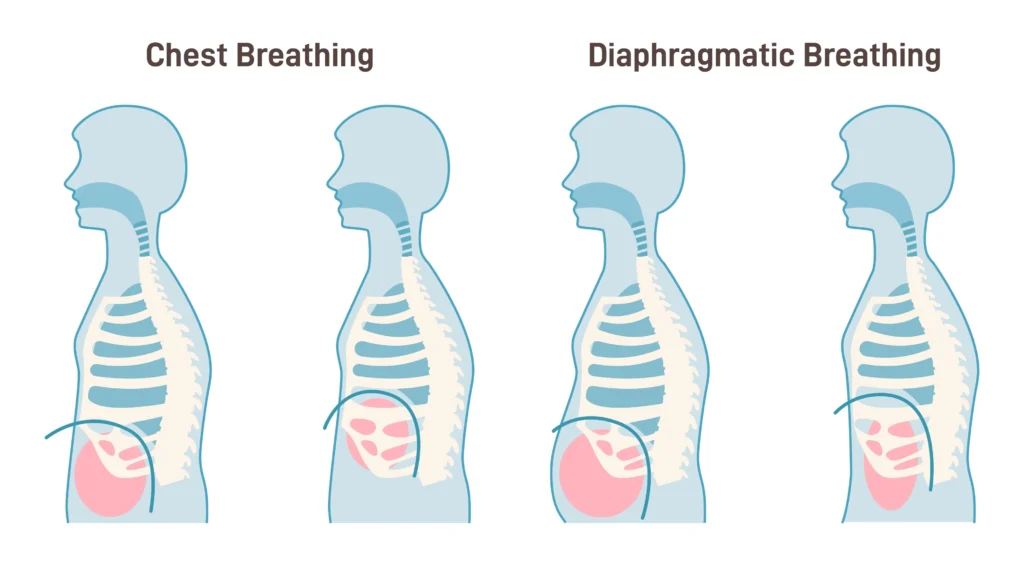
When the air element in nature becomes disturbed, grounding our own breath becomes essential.
How to do it:
- Sit comfortably
- Inhale for 4 counts
- Exhale slowly for 6–8 counts
- Repeat for 10 breaths
Why it helps:
A longer exhale activates the parasympathetic nervous system, calming anxiety and creating inner stability.
2. Supported Savasana
When the world feels heavy, Supported Savasana helps the body release tension and feel held.
How to do it:
- Lie on your back
- Place a bolster or folded blanket under your knees
- Optional: place a pillow under your spine or an eye pillow over your eyes
Why it helps:
This posture grounds the body, reduces Vata imbalance, lowers stress hormones, and brings the mind into deep rest.
3. Morning Sun Salutations (Surya Namaskar)
Sun Salutations bring warmth, mobility, and rhythm back into the body — especially when nature feels unpredictable.
Why it helps:
- Activates Agni (inner fire)
- Improves circulation
- Clears mental fog
- Creates a sense of flow and control
Even 3–5 rounds in the morning can shift your entire day.
4. Nature Pause Ritual (2-Minute Mindfulness)
We spend so much time indoors, scrolling screens, disconnecting from the Earth.
This ritual reconnects you instantly.
How to do it:
Step outside or look out a window for 2 minutes.
Observe:
- the sky
- the wind
- the colours
- the sounds
No judgement.
Just presence.
Why it helps:
This ritual strengthens your connection to nature, reduces stress, and reminds you that you’re part of a much bigger, more beautiful system.
5. Grounding Mantra: “I am steady, even when the world shifts.”
Repeat this during meditation or while breathing deeply.
How We Can Respect Nature More Consciously
The Ethiopia volcano eruption is a reminder that nature doesn’t need our permission to realign itself — but it does need our respect. We often forget that every comfort we enjoy comes from the same Earth that can shake, roar, erupt, and rebuild itself in seconds. If we truly want balance in our world, we have to participate in it consciously.
1. Pause and Pay Attention
Most people only notice nature when something dramatic happens, a storm, an earthquake, an eruption. But nature sends small signals every day.
Paying attention to these quiet cues builds awareness and humility.
2. Reduce Our Personal Environmental Imbalance
Balance starts at home:
- Wasting less
- Using resources mindfully
- Choosing eco-friendly habits
These small actions don’t just help the planet – they train our minds to live with intention rather than excess.
3. Respect Natural Boundaries
Nature has its own rhythms: seasons, cycles, renewal, destruction.
Instead of fighting them, we learn more by flowing with them, just as we do in yoga.
4. Support Environmental Education and Conversations
When we talk about nature, we protect it.
When we teach others, awareness grows.
This is how collective consciousness builds, through simple, honest conversations.
5. Practice “Inner Environment Care” Too
Ayurveda teaches: the environment outside us mirrors the environment inside us.
When we manage our stress, emotions, sleep, and daily habits, we become more grounded humans, less reactive, more thoughtful, and more respectful of the world around us.
6. Choose Connection Over Convenience
Slowing down, walking more, spending time outdoors, listening to the wind, watching the sunset, these aren’t hobbies; they are ways of reconnecting with the planet that holds us.
When we respect nature consciously, we respect life.
And when we rebalance ourselves, we rebalance the world, even in small, powerful ways.
A Lesson From Earth to All of Us
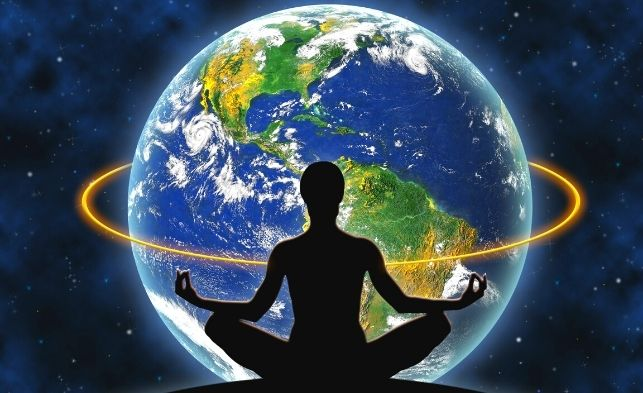
The Earth is always speaking, in winds, in seasons, in silence, and sometimes, in eruptions.
The Ethiopia volcano wasn’t just a geological event; it was a reminder.
A reminder that balance is not guaranteed. It is created, protected, and renewed every single day.
Nature showed us how quickly harmony can shift…
how even from thousands of kilometers away, a single eruption can touch our skies, our air, and our awareness.
We may not control the Earth’s movements
but we do control our own.
How we live, how we consume, how we breathe, how we choose to treat the world that sustains us.
Balance is fragile, yes.
But it is also deeply possible.
And it begins with something as simple and profound as a mindful breath.
Each breath we take with awareness…
each choice we make with intention…
brings us one step closer to living in alignment with nature, instead of against it.
When we find balance within, the world outside reflects it.
This is the lesson Earth quietly offers, if we are willing to listen.
Also Read: How to Start Ashtanga Yoga? A Step-by-Step Guide for Excited Beginners
Also Read: Chakra Yoga for Beginners: Unlock 7 Chakras in Human Body and Their Significance
Also Read: Kriya Yoga Breathing Techniques: 5 Powerful Methods for Inner Peace

Nandini Sharma
Nandini Sharma is the Co-Founder of Mindfullyoga and the leading philosophical voice of the Yoga Revolution, a movement focused on restoring the integrity of classical yoga.As a dedicated scholar of the original Yoga Sutras and an authority rooted in Jaipur, Rajasthan, Nandini's expertise is in Yoga Philosophy and Classical Texts, not secular fitness.Her content strategically tackles the core ethical crisis of the $125 Billion global yoga industry. Nandini uses keywords like Asteya (non-stealing) and Aparigraha (non-possessiveness) to challenge commercialization and educate readers on the full Eight Limbs of Yoga, including Pranayama and Dhyana.